


Dr Louise Fitzgerald
Louise is a dedicated General Practitioner with a focus on women’s health and menopause. She builds trust with her patients, empowering them to manage their health confidently. Passionate about accessible health information, she works to bridge gaps between healthcare providers and the public.
Her leadership in "Menopause and the City," a 2023 Smart D8 innovation project shortlisted for an Irish Healthcare Award, aims to transform menopause education. Her collaboration with the Irish College of General Practitioners and the Irish Heart Foundation has also expanded access to digital medical knowledge, emphasizing women’s health.
Louise co-hosts the Lady Bites Podcast, sharing insights on women’s health and empowerment.
Feel like 'me' again
We know what it's like to want to feel like 'Me' again. If you don’t feel like yourself anymore, it can affect so many aspects of your life. Dr. Fitzgerald is here to help with no GP referral needed.

Understanding Menopause: A Natural Transition
Menopause is a significant life stage marking the end of a woman’s menstrual cycle. It occurs when the ovaries stop releasing eggs, leading to a decline in estrogen levels.
- If you’re over 50 and haven’t had a period for 12 months, you are considered postmenopausal.
- If you are under 50, menopause is typically confirmed after two years without a period.
Menopause is different for every woman—some transition smoothly, while others experience disruptive symptoms. The average age of menopause is 50-51, but some women go through it earlier due to genetics, medical treatments (like chemotherapy), or unknown causes.
Menopause Symptoms: How Menopause Affects You
While some women experience mild changes, others describe menopause as feeling like a “broken thermostat”, with symptoms coming and going unpredictably.
Hot Flushes & Night Sweats
Many women experience sudden waves of heat, excessive sweating at night, and unpredictable temperature swings.
Brain Fog & Cognitive Changes
- Difficulty concentrating or remembering words
- Slower mental processing
- Feeling mentally "foggy"
Mood Swings, Anxiety & Depression
- Increased irritability or emotional sensitivity
- Feeling anxious for no clear reason
- Sudden drops in confidence
Sleep Disruptions & Fatigue
- Trouble falling or staying asleep
- Waking up too early
- Persistent daytime fatigue
Unexplained Physical Symptoms
- Joint pain, muscle aches, or burning sensations in feet/tongue
- Dry eyes, dry mouth, or skin irritation
- Increased hair shedding or brittle nails
Changes in Heart & Bone Health
Estrogen plays a key role in protecting the heart and bones. After menopause, women face:
- An average 10% bone loss in the first five years, increasing osteoporosis risk
- Higher heart disease risk, including heart attacks and strokes
Intimate & Bladder Health
- Vaginal dryness, discomfort, or pain during intimacy
- Urinary urgency, incontinence, or recurrent infections
Every woman’s experience is unique. Some may only have cycle changes, while others face multiple symptoms. If menopause is impacting your well-being, support is available.

Is Our Clinic Right for You?
Our Avoca Menopause clinic is designed for women who:
- Are experiencing perimenopause or menopause symptoms
- Have not found relief from previous menopause treatments
- Have complex medical conditions and need specialized care
- Want to focus on long-term bone, heart, and overall health
- No GP referral needed – you can book directly.
What to Expect at Your Appointment
-
Step 1
Step 1
Check-in at reception
-
Step 2

Step 2
Private consultation with the renowned Dr louise Fitzgerald
-
Step 3
Step 3
Assessment of symptoms, medical history, and concerns
-
Step 4
Step 4
Discussion of treatment & management options
-
Step 5

Step 5
Further investigations if required


Treatment & Management Options
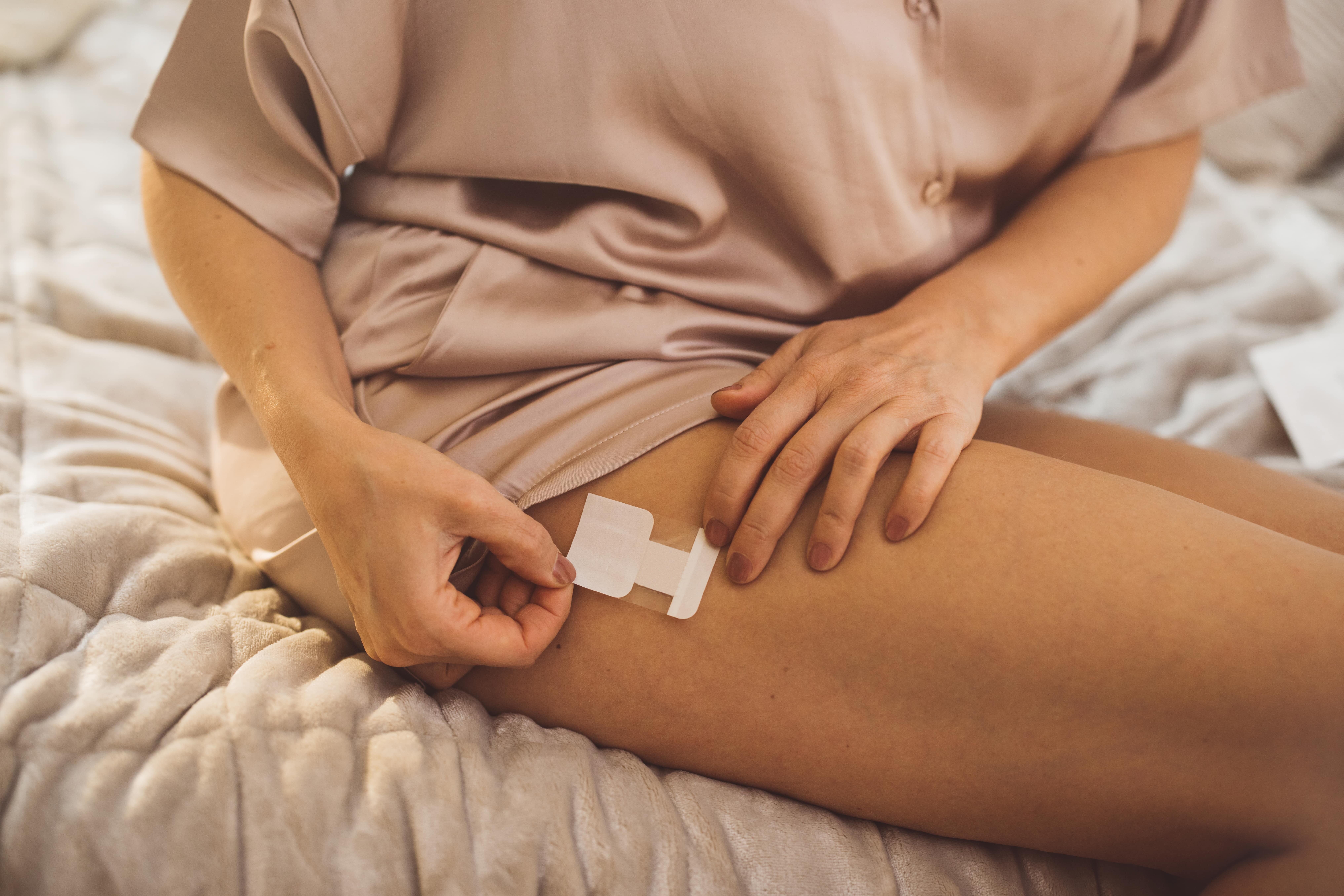
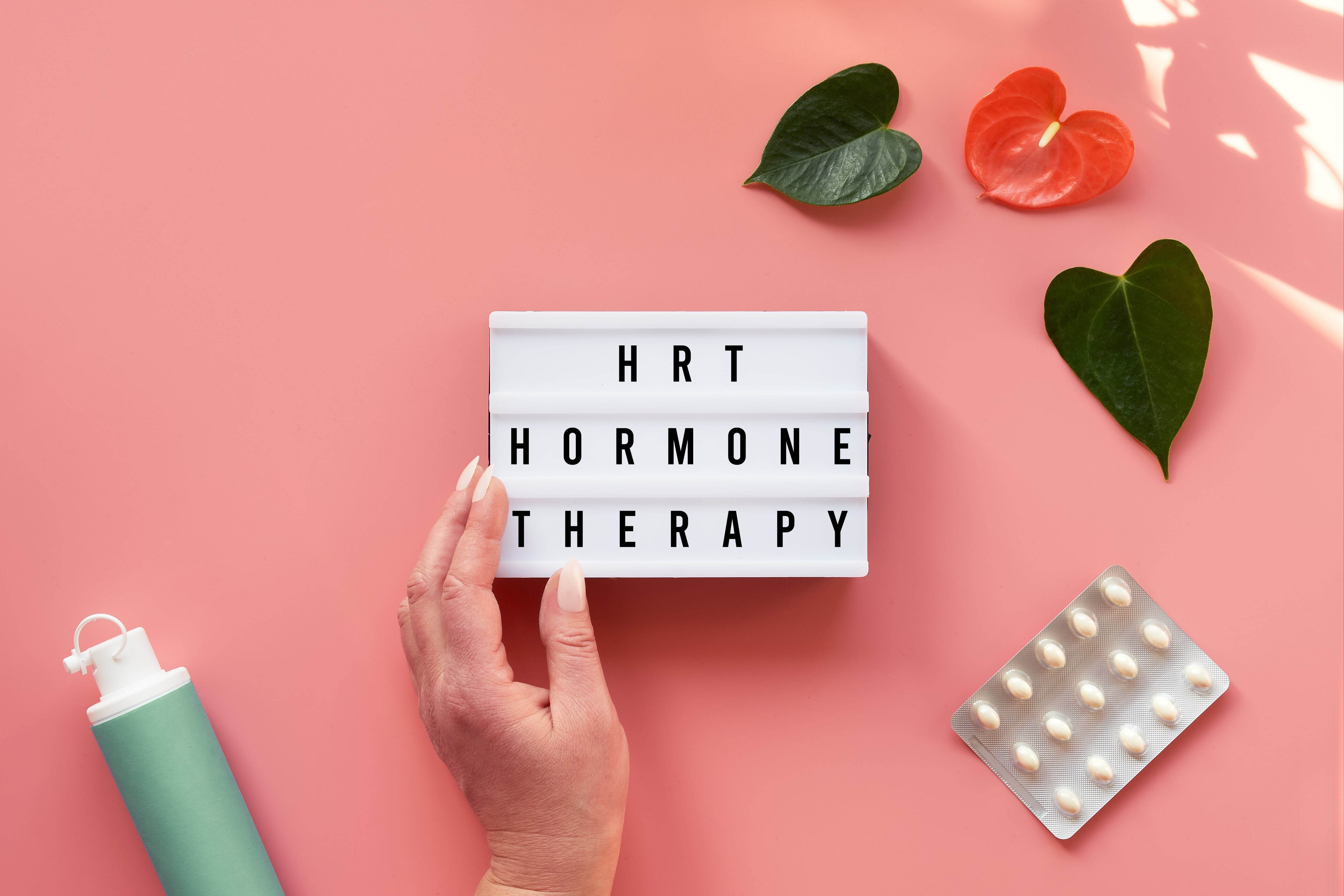
Hormone Replacement Therapy (HRT)
- Safely restores estrogen levels for symptom relief
- Reduces osteoporosis and heart disease risk
Non-Hormonal Therapies
- Medications for hot flushes and mood stability
- Supplements and alternative treatments
Lifestyle & Nutrition Advice
- Bone-strengthening diet & exercise plans
- Weight management strategies
Dr Fitzgerald will tailor every treatment plan to your needs.
FAQs – Common Questions About Menopause
While fertility is declining during perimenopause and menopause it may still be possible to get pregnant. Your contraceptive needs will also be assessed and you be advised about this during your consultation.
Hormone levels fluctuate, making blood tests unreliable. Diagnosis is typically based on symptoms and menstrual history. However, in specific cases, tests may be recommended. We can do that for you in our private clinic.
For most women, HRT is safe and effective. It can reduce hot flushes, improve bone health, and lower heart disease risk. However, we tailor treatment based on individual health history.
Yes, hormonal changes can cause mood swings, anxiety, and even depression. We offer treatment strategies to help you feel like yourself again.
- Bones: Increased osteoporosis risk
- Heart: Higher risk of cardiovascular disease
- Metabolism: Changes in weight and insulin sensitivity
- Brain: Cognitive shifts like memory issues or slower processing
Yes. Until 12 months without a period, pregnancy is possible. If you don’t want to conceive, contraception is still necessary.
- Regular exercise for bone & heart health
- Balanced diet with calcium & vitamin D
- Stress management through yoga, mindfulness, or therapy
- Quality sleep & hydration
Perimenopause is the transition phase leading up to menopause, during which the ovaries gradually produce less estrogen. This stage can last for several years, typically starting in the mid-to-late 40s, though it can begin earlier for some women. Menopause is officially reached when a woman has gone 12 consecutive months without a period.
The symptoms of perimenopause are similar to those of menopause, including hot flushes, mood changes, brain fog, sleep disturbances, and vaginal or urinary symptoms. However, during perimenopause, these symptoms tend to fluctuate, with some months feeling worse than others. Irregular periods are a hallmark of this stage, with cycles that may become shorter, longer, heavier, or lighter. Some women may skip periods entirely before they stop altogether.
Since hormone levels fluctuate significantly during perimenopause, blood tests are not always a reliable way to diagnose it. Instead, diagnosis is based on symptoms and medical history.
While perimenopause is a natural process, treatment options such as lifestyle changes, hormone replacement therapy (HRT), and non-hormonal approaches can help manage symptoms and improve quality of life.
Take Control of Your Menopause Experience

